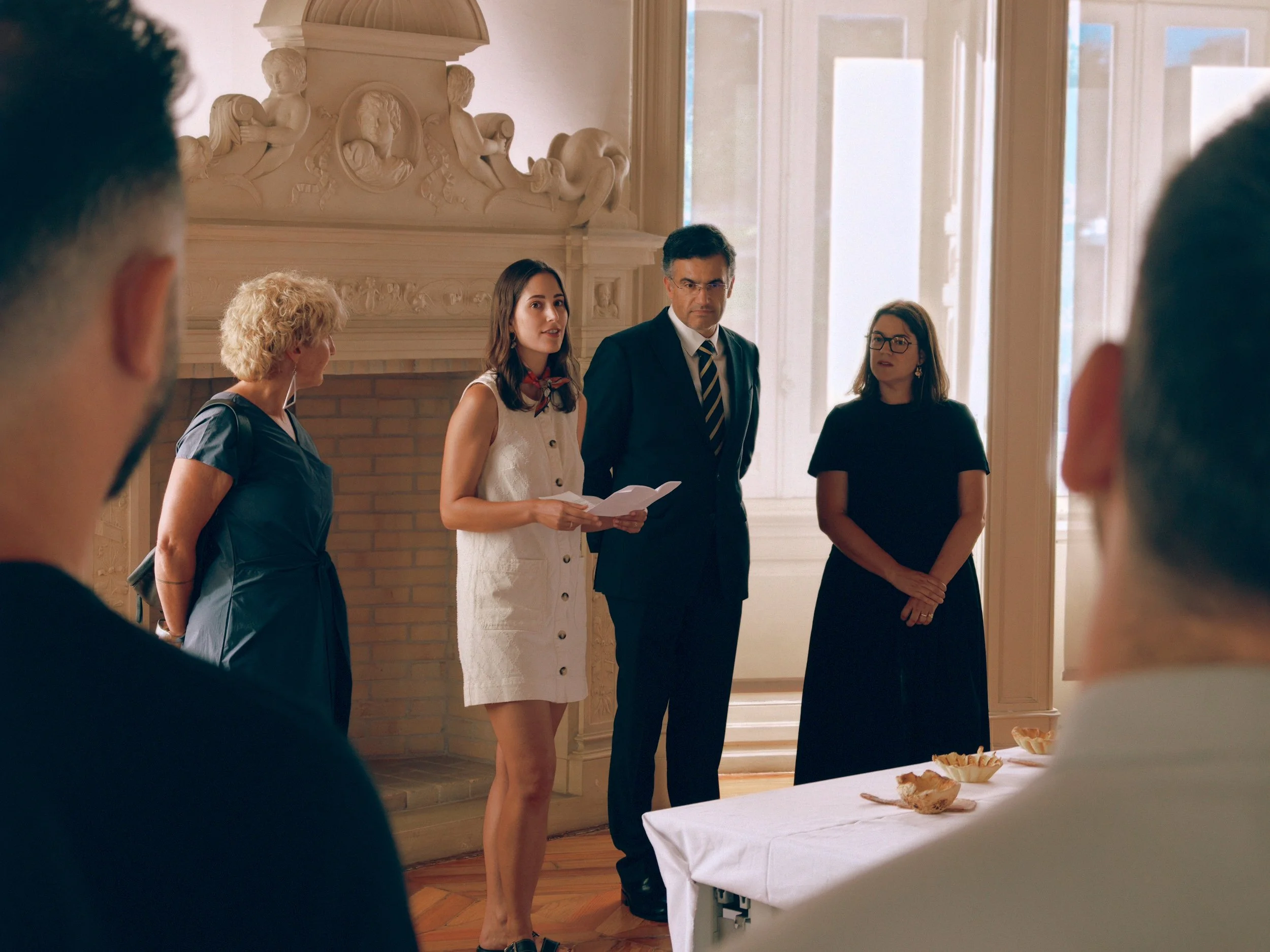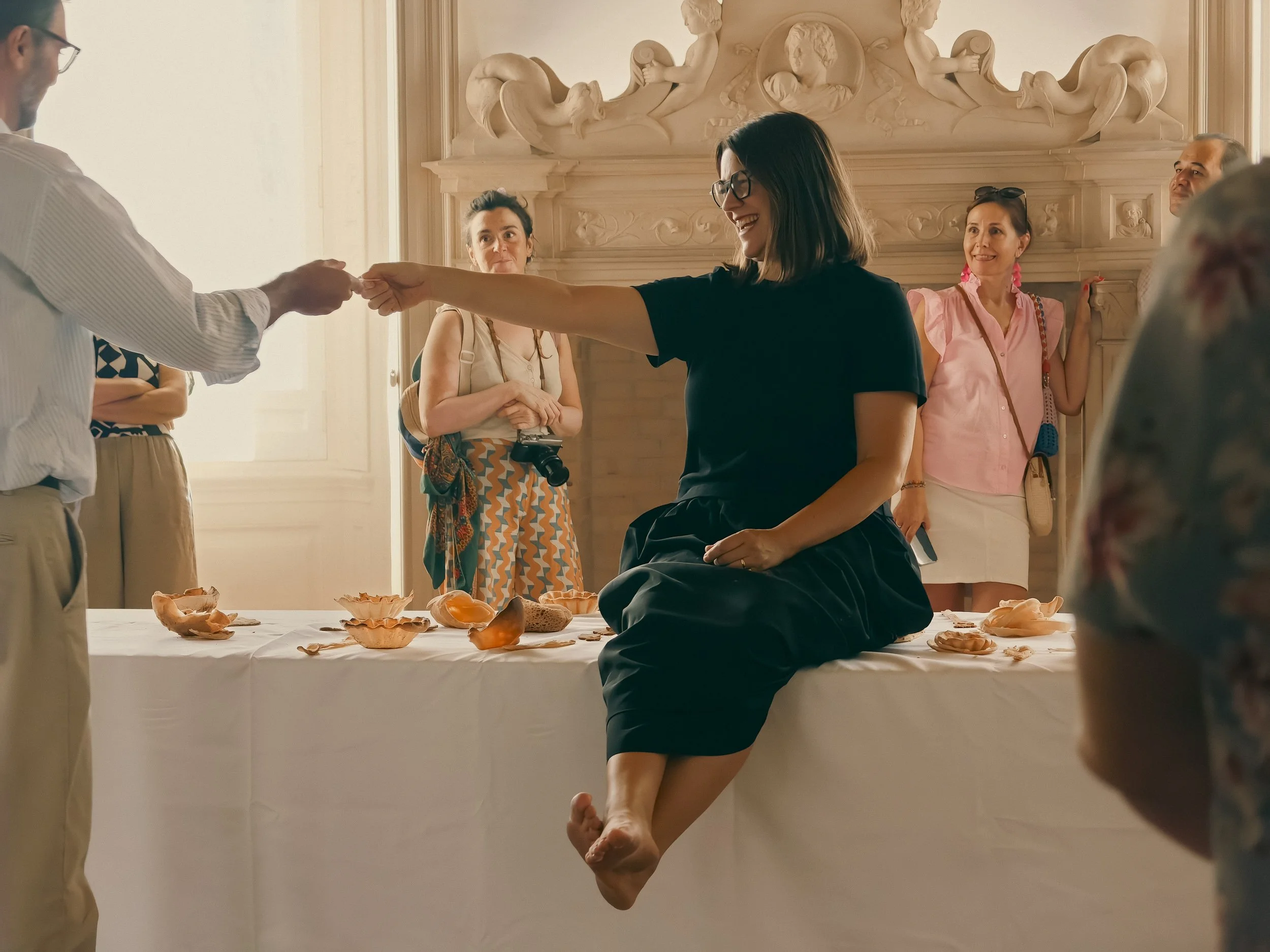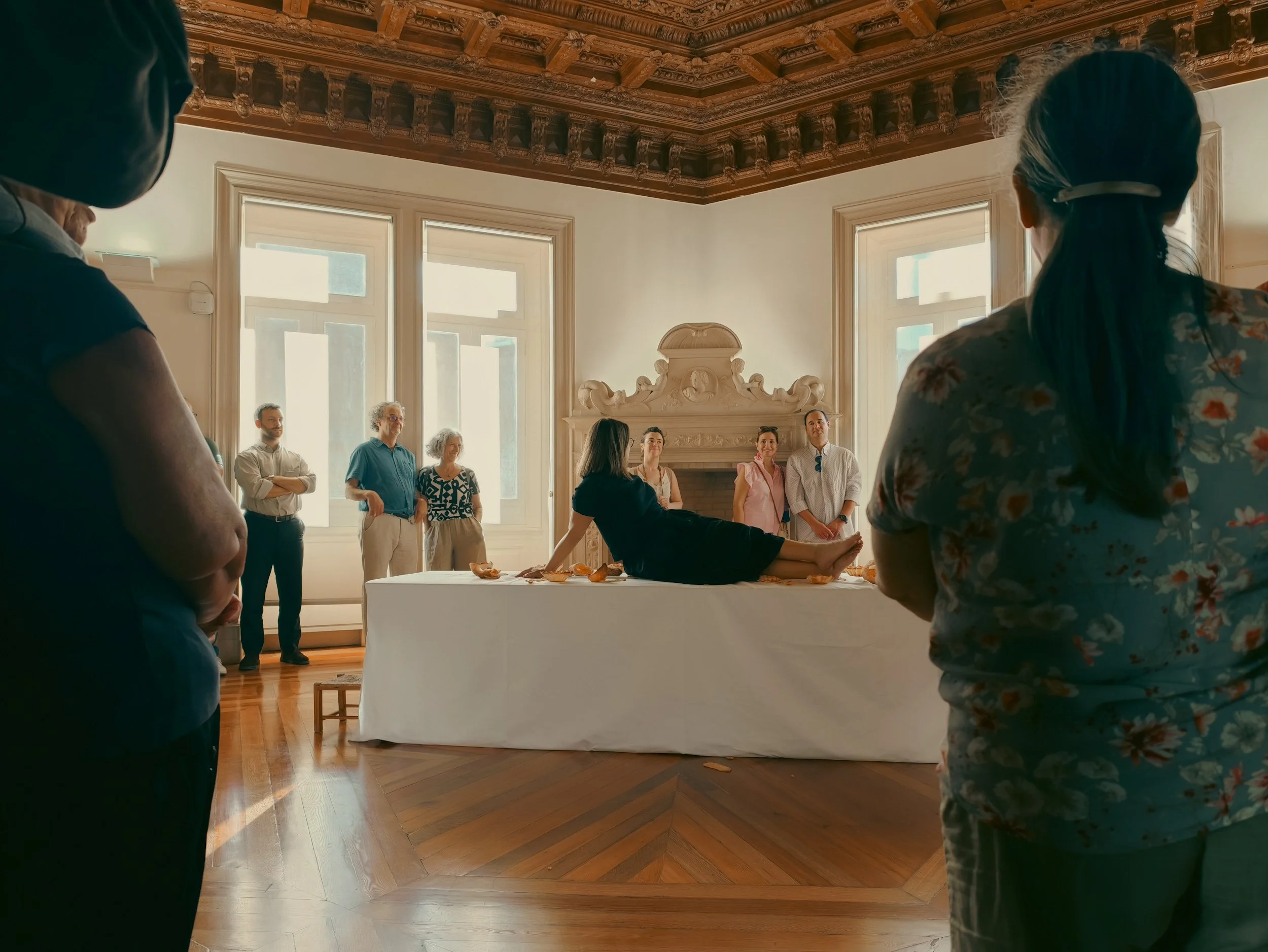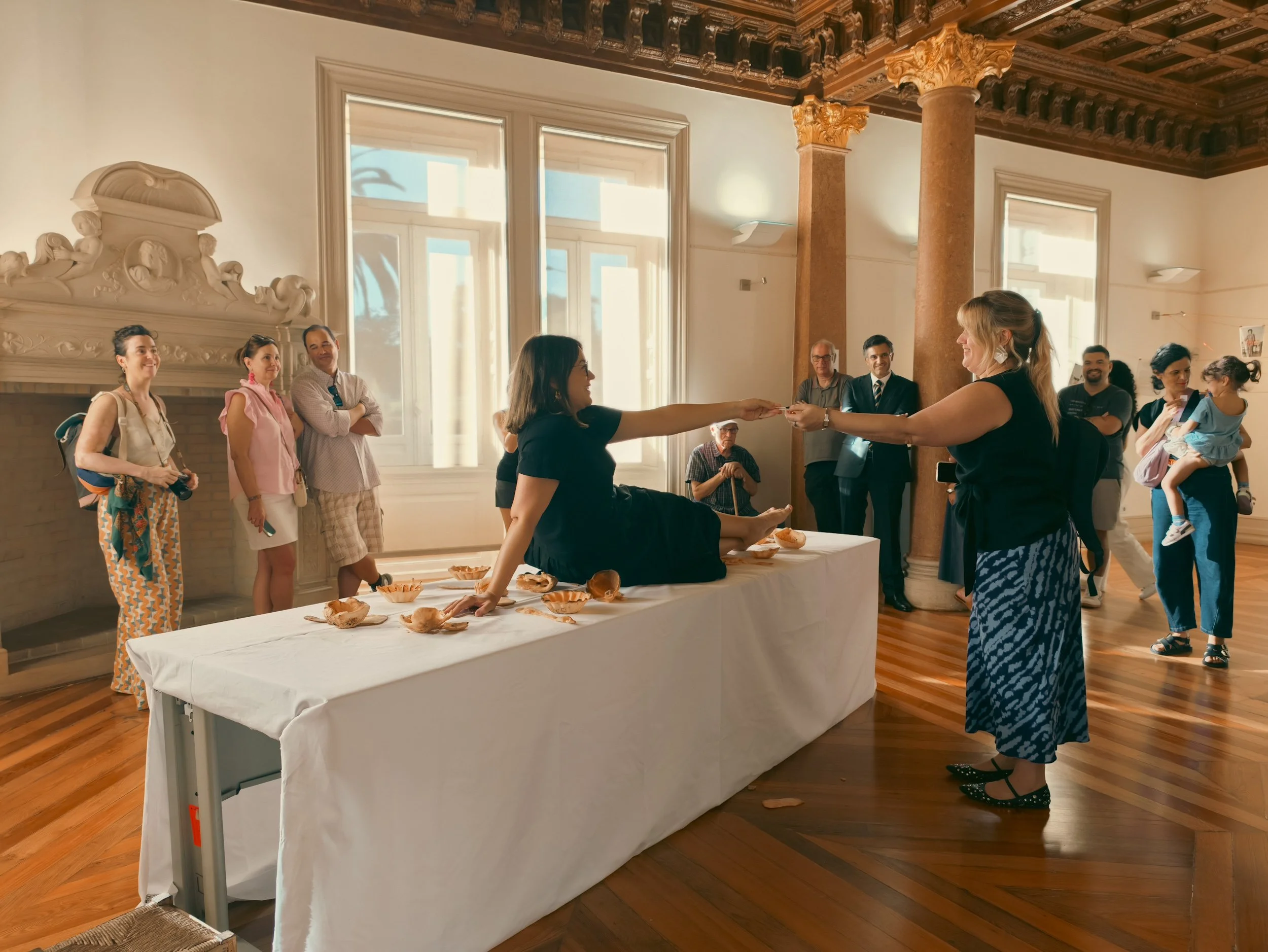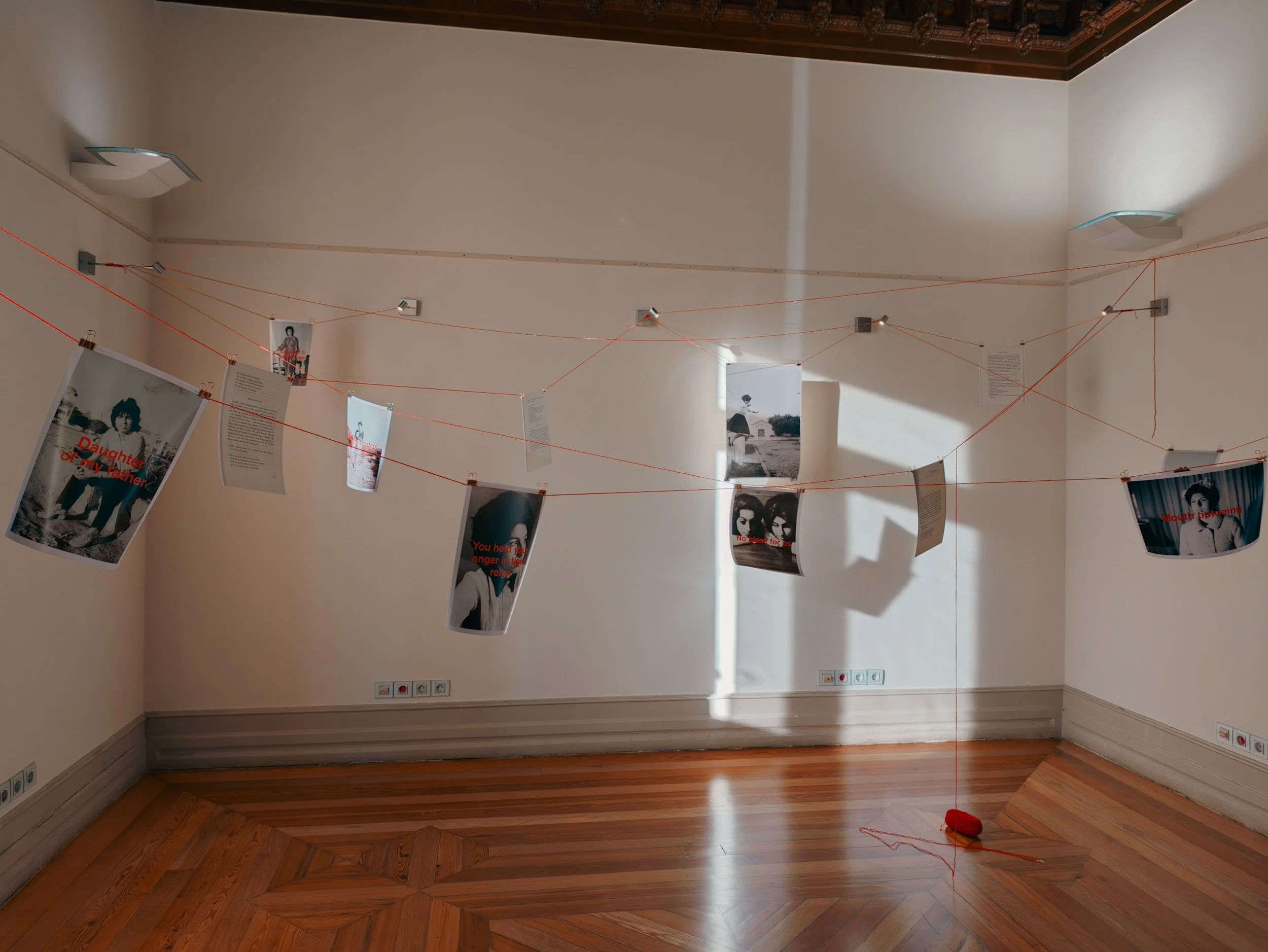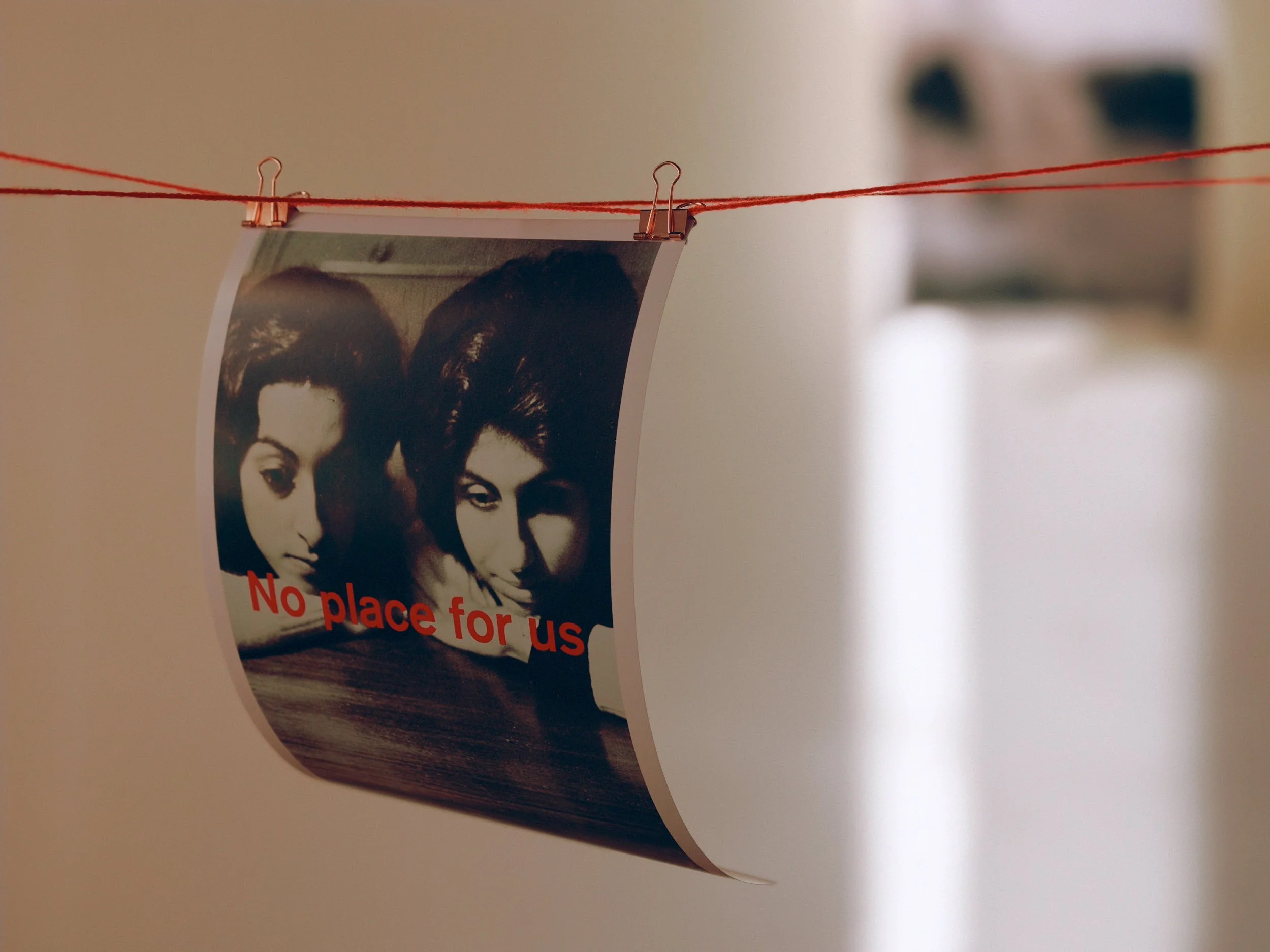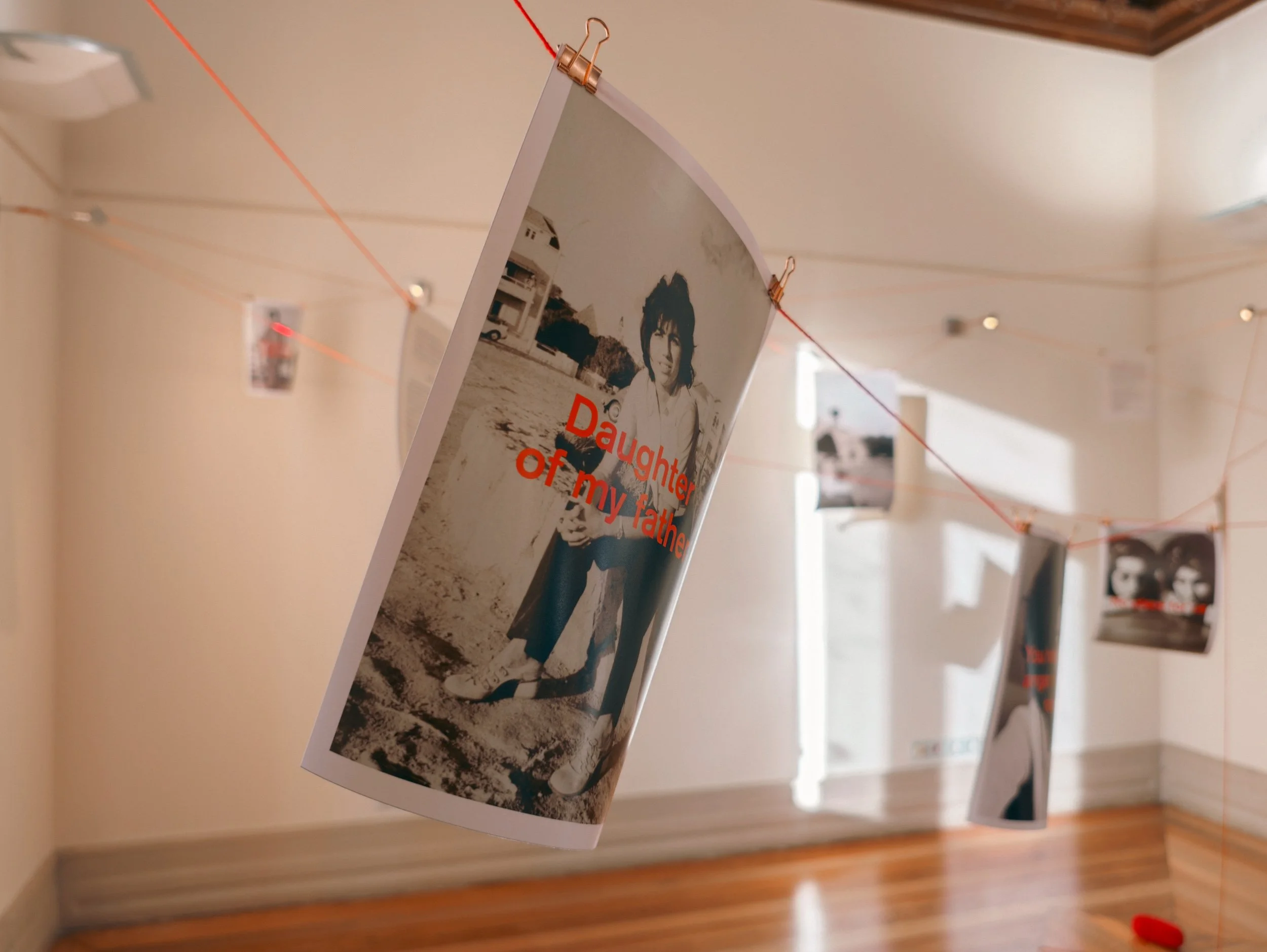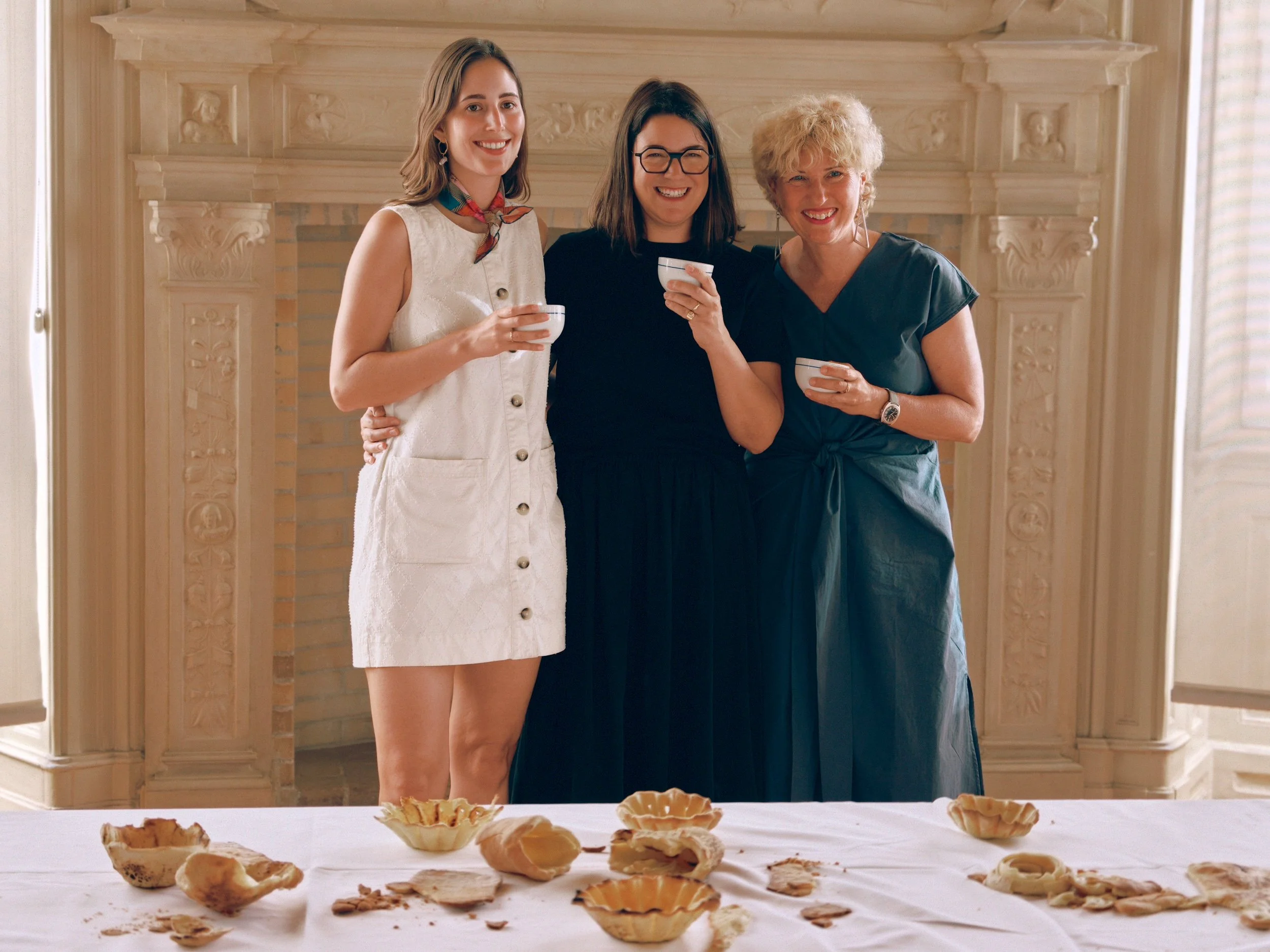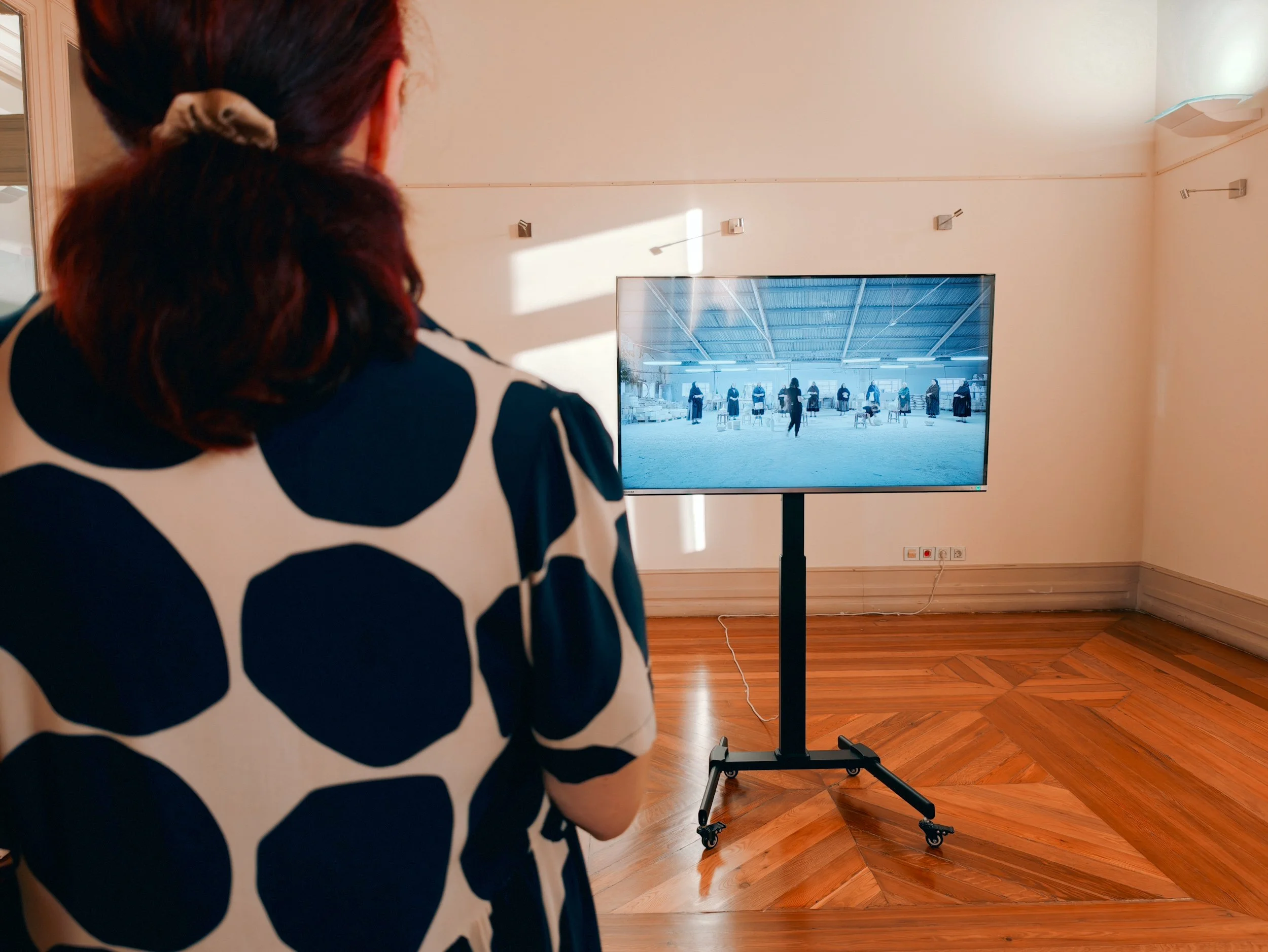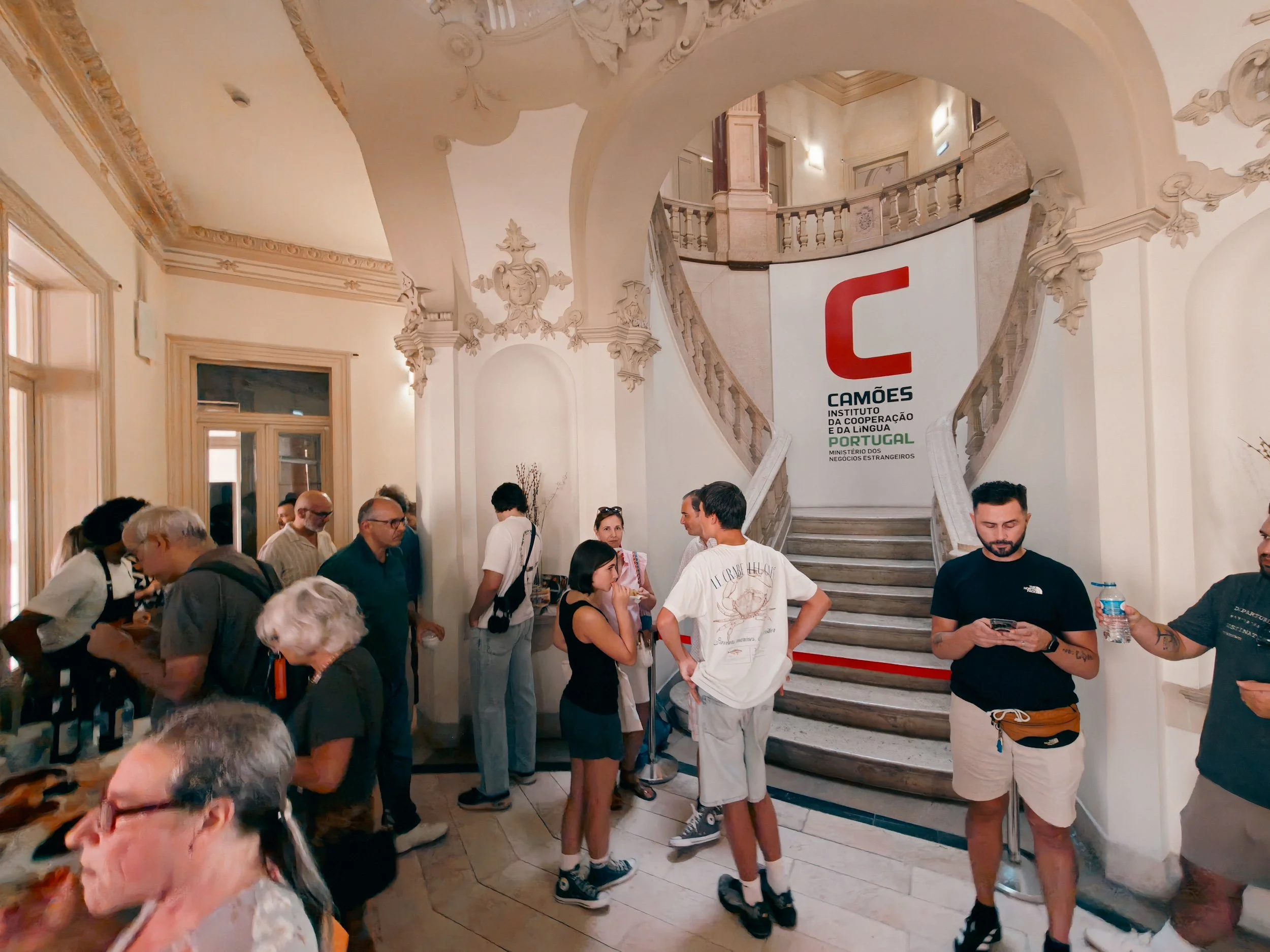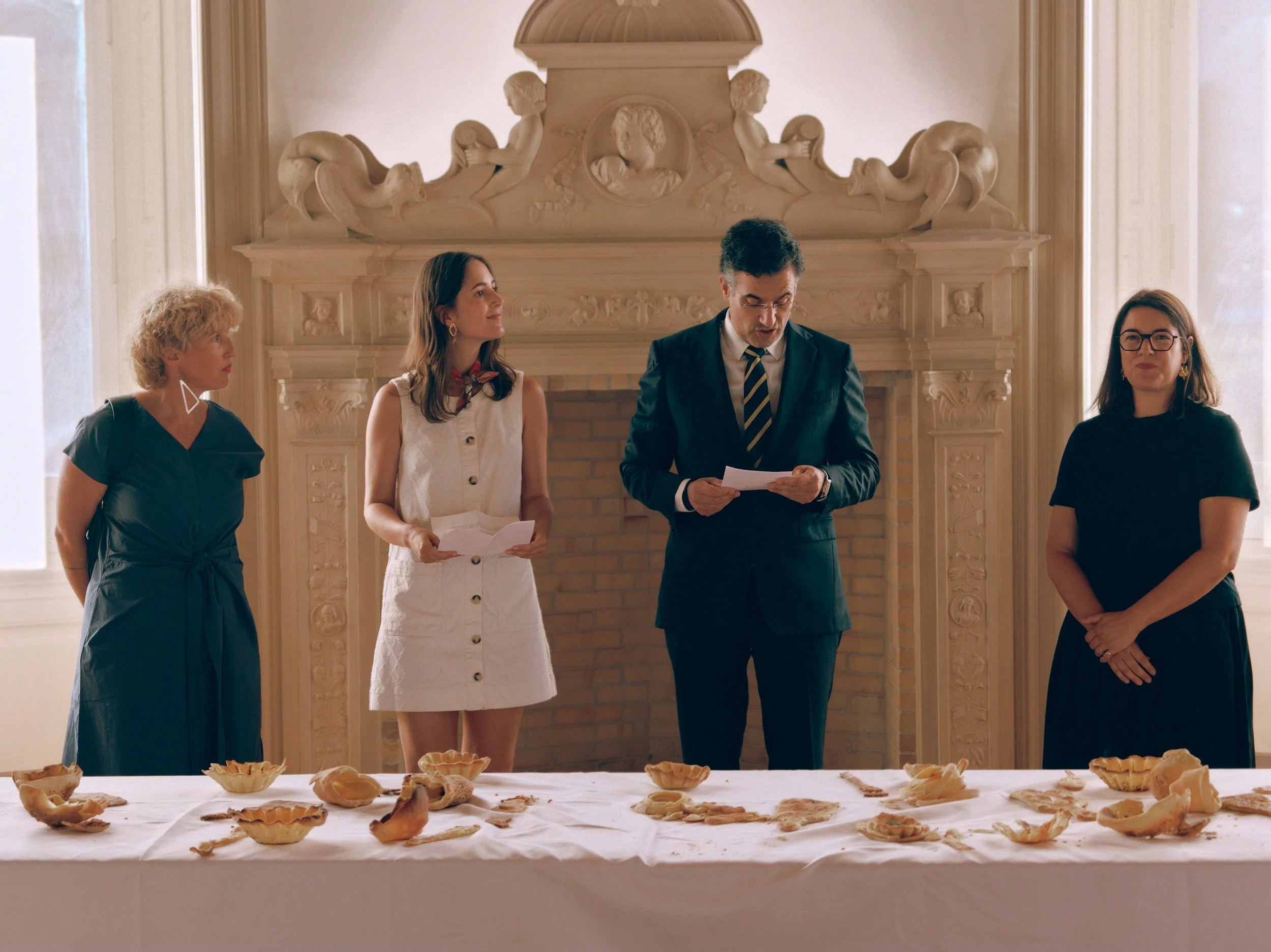
Exhibition opening, Lilla Szász & RitaGT: No Bread For Us, Camoes Institute Lisbon, September 10, 2026. Photo by Rodrigo Gatinho.
Lilla Szász & RitaGT:
No Bread For Us
Camões Institute Lisbon
September 10–October 2, 2026
Curator: Veronika Molnár
No Bread for Us, a duo exhibition featuring Hungarian photographer Lilla Szász and Portuguese multidisciplinary artist Rita GT, explores how women's lives have been shaped by historical oppression, from colonial expansion and Salazar's dictatorship to the present day. Drawing on personal and collective memory, the artists examine how historical and social structures have fueled silencing, and highlight the ways these stories on the margins have been preserved through video, photography, performance, and singing.
-
Lilla Szász's photographic series Captured Liberties (2018–ongoing) explores womanhood during the Salazar era through the personal story and family archive of Maria Teresa Braz (b. 1948), who grew up under the dictatorship. Born to a father who was an amateur photographer and a mother who worked at the most fashionable boutique of the period, Braz’s childhood and teenage years were documented on film: private photographs and home movies from the 1950s, scrapbooked scenic images, fashion drawings, and still-preserved garments now form an archive that offers a rare glimpse into everyday life in Salazar’s Portugal. For years, Szász has worked closely with Braz, revisiting this material while continuing to photograph her in the present. In this latest iteration of the series, archival images taken by Braz’s father, Dionísio dos Reis Vasques, are juxtaposed with excerpts from New Portuguese Letters, the landmark feminist work by the three authors internationally known as "The Three Marias." Addressing themes from marriage and obedience to abandonment and isolation, the book was censored by the Portuguese regime, its first edition confiscated and destroyed just days after publication in 1972.
Portuguese artist Rita GT develops a multidisciplinary practice centred on memory, identity, and human rights, frequently working with materials such as clay, ceramics, and food. In the video work Unearthing (2021), she conceived a choral and movement-based performance with thirteen women from the Cantadeiras do Vale do Neiva, filmed in an abandoned ceramics factory in her hometown of Viana do Castelo. The piece brings to light the often-overlooked histories of women whose lives were profoundly shaped by Portuguese colonialism and the Colonial War. While some sustained their communities, agricultural labour, and family life during the absence of men mobilized for war, others experienced migration and displacement. Ceramics and traditional polyphonic singing become living archives of memory, labour, and intergenerational knowledge, revealing stories that endure through material, voice, and the lived experiences of women.
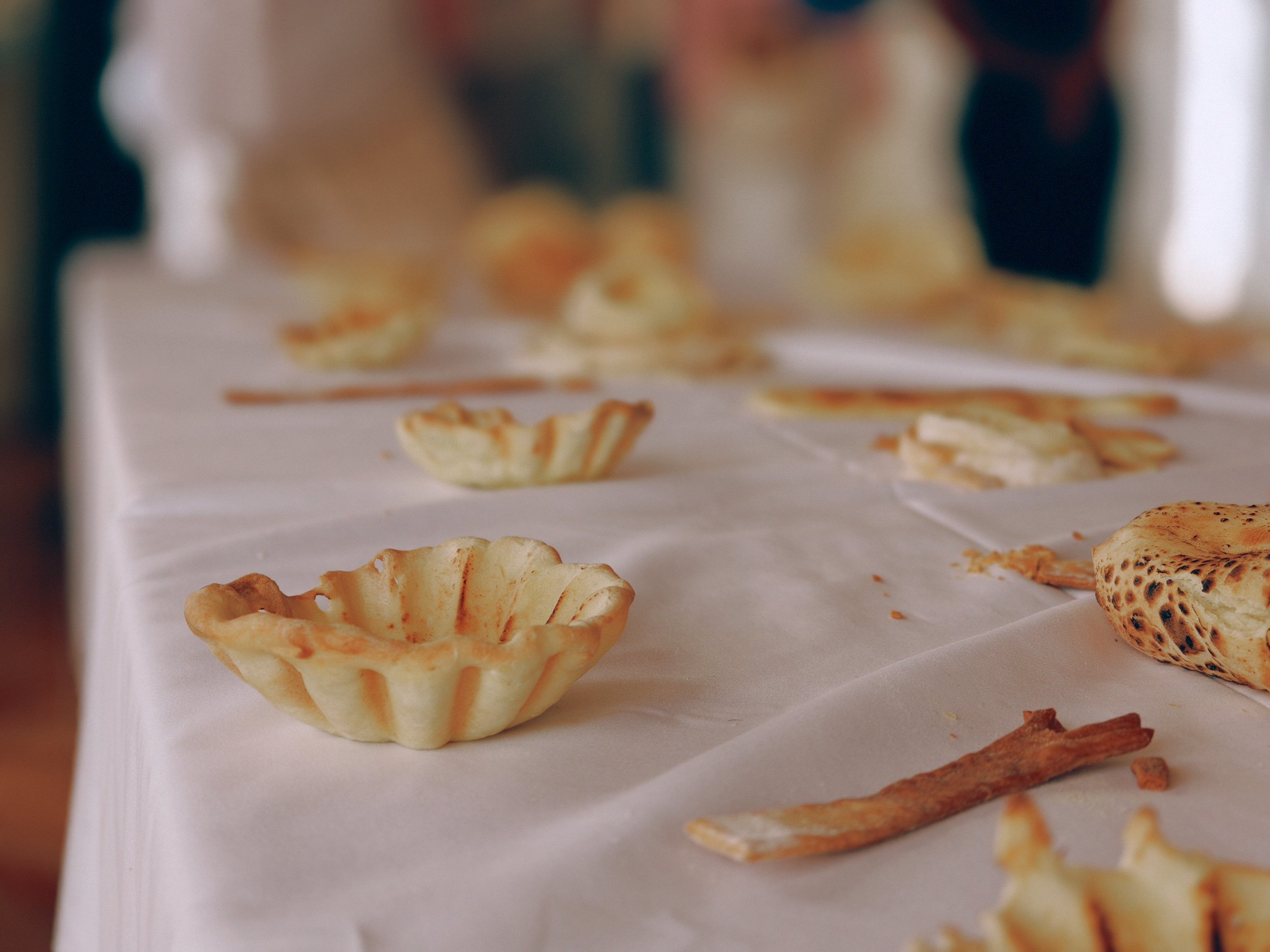
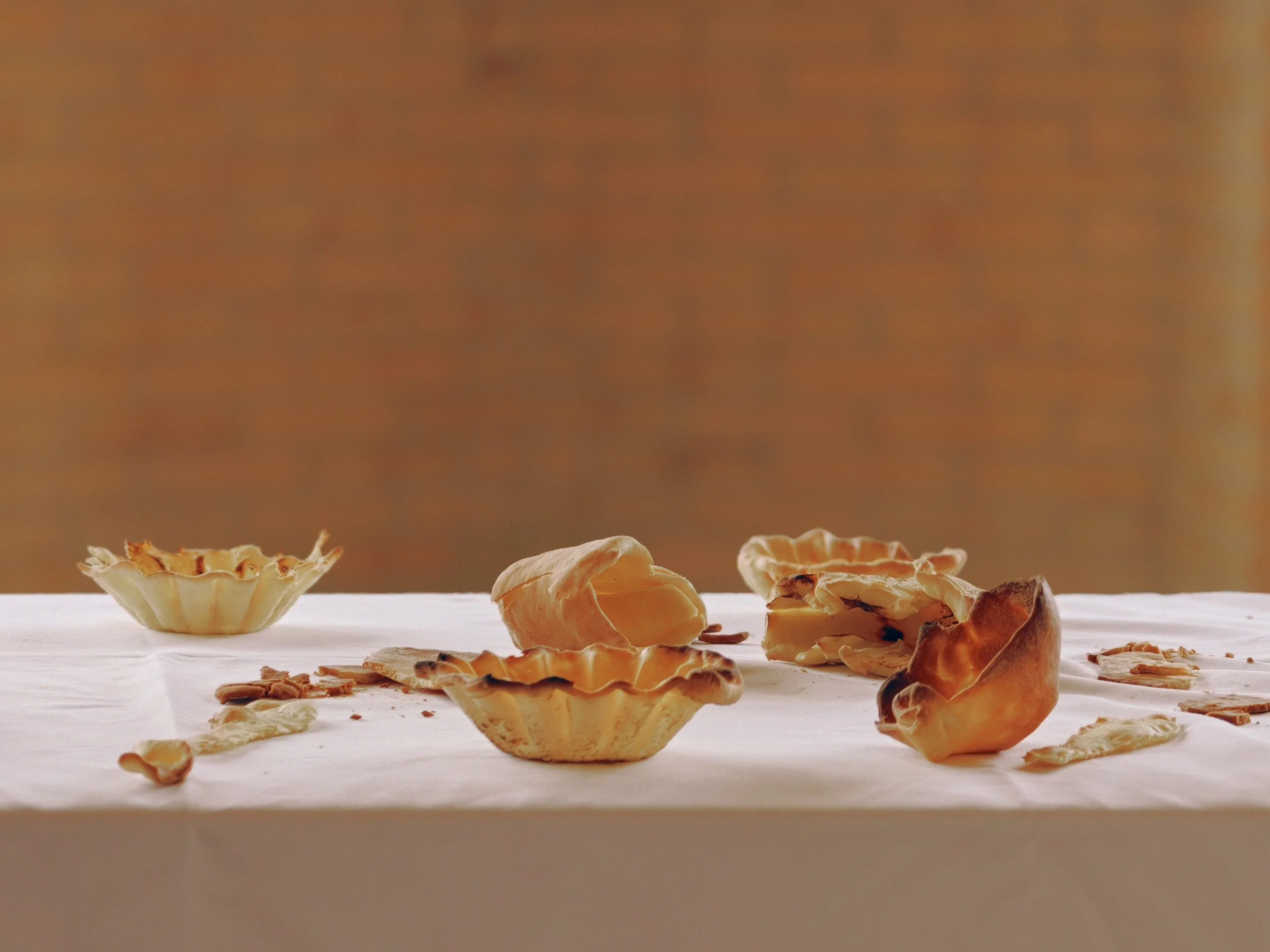
At the exhibition opening on September 10 at the Camões Institute, the latest iteration of Rita GT's ongoing performance Like a Woman (2019–) will be presented. Reflecting on the many roles and responsibilities women assume throughout their lives, the work centers on a table set with tableware made of bread. Visitors are invited to interact with the installation and to reflect on those who have historically been excluded from tables of power—the many women for whom there was, both literally and metaphorically, no bread.
The exhibition is supported by the Embassy of Hungary, Lisbon and Aromatic Status. Special thanks to: Maria Teresa Braz, Estela Casanovas, Dániel Farkas, João Miguel Henriques, Emil Hutanu, Alexandra Nunes, Fatima Ribeiro, Arquivo Fotografico Municipal de Lisboa, Videoteca Municipal de Lisboa, Thiago Moura.
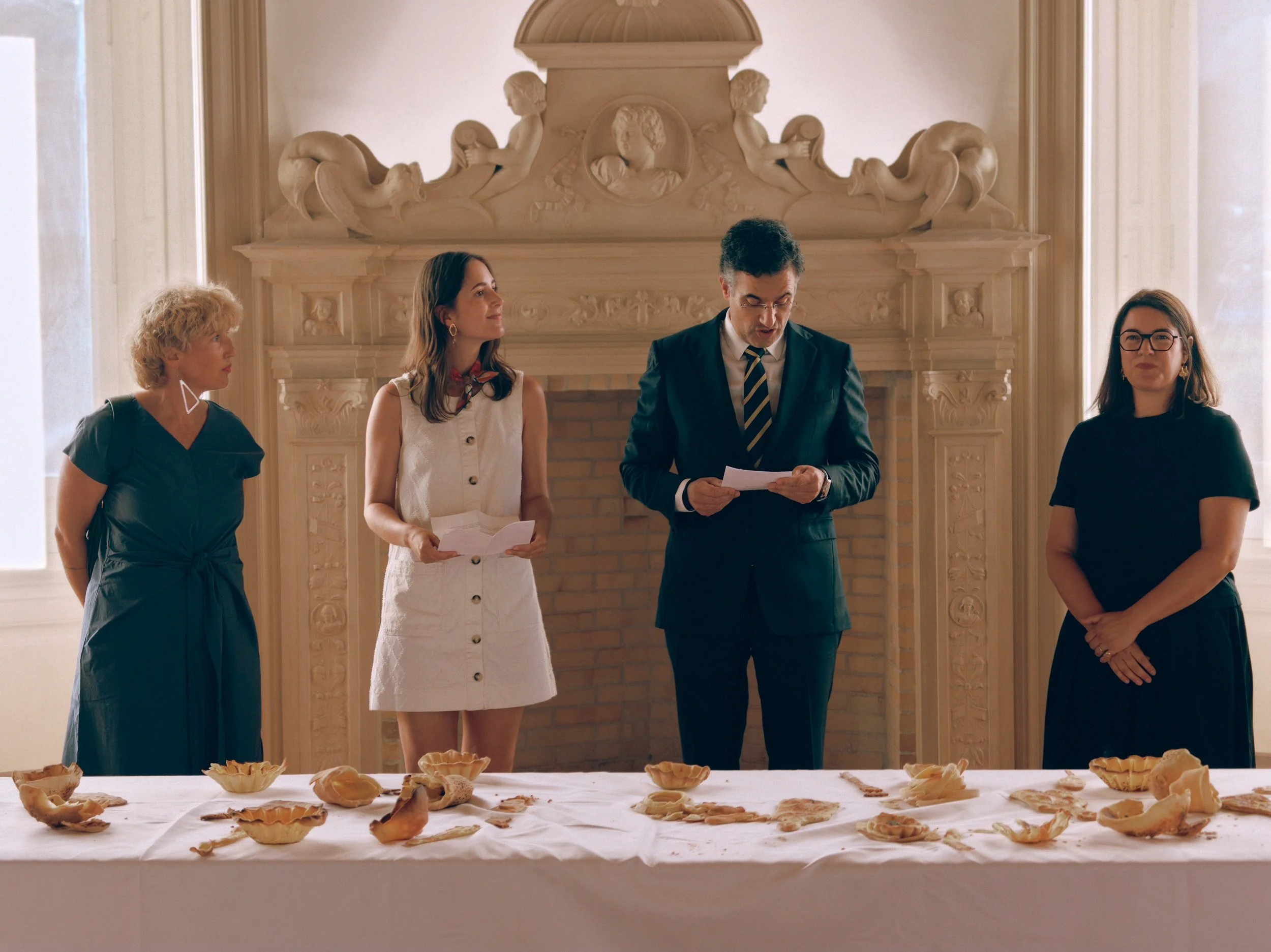
Exhibition opening, Lilla Szász & RitaGT: No Bread For Us, and opening performance, RitaGT: Like a Woman, Camoes Institute Lisbon, September 10, 2026. Photo by Rodrigo Gatinho.